Rise of the golf machines – indoor simulators are changing how the sport is played
For new operations and existing golf courses, virtual simulator business is a way of adding a new revenue stream while extending the season for existing members.
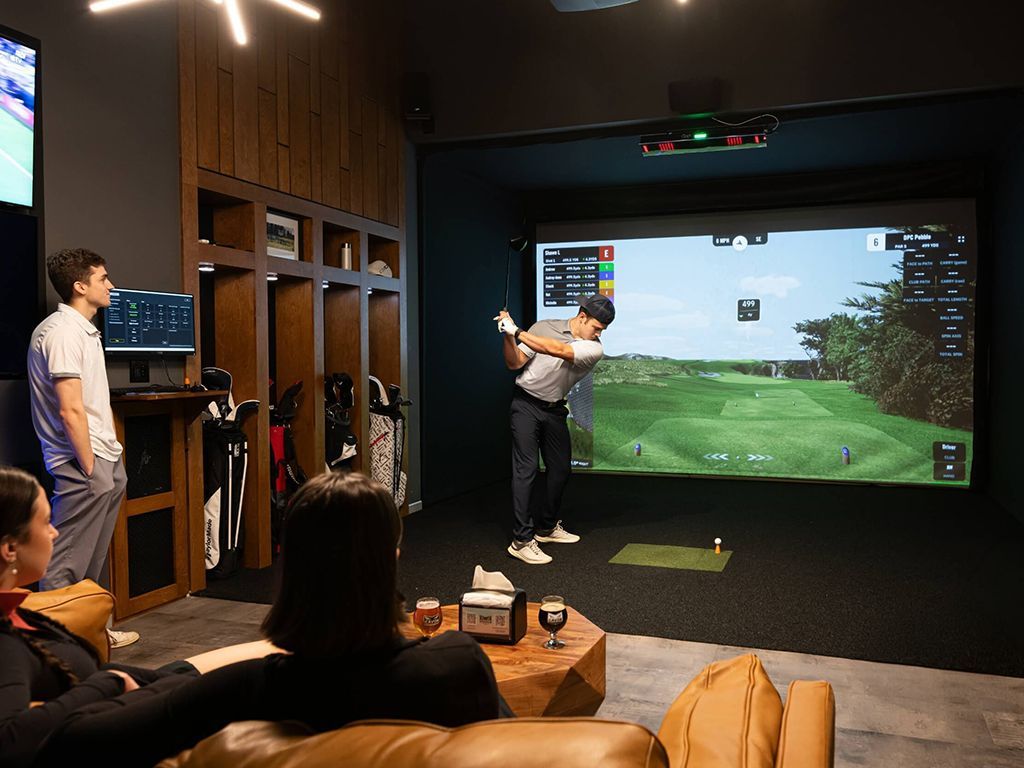
Playing on an indoor golf simulator is a great way to keep your form and stay in practice during the cold winter months. With the emergence of TGL (TMRW Golf League), owned by Rory Mcilroy and Tiger Woods in partnership with the PGA Tour, and the proliferation of virtual golf companies across North America, it’s become an accepted way to pay.
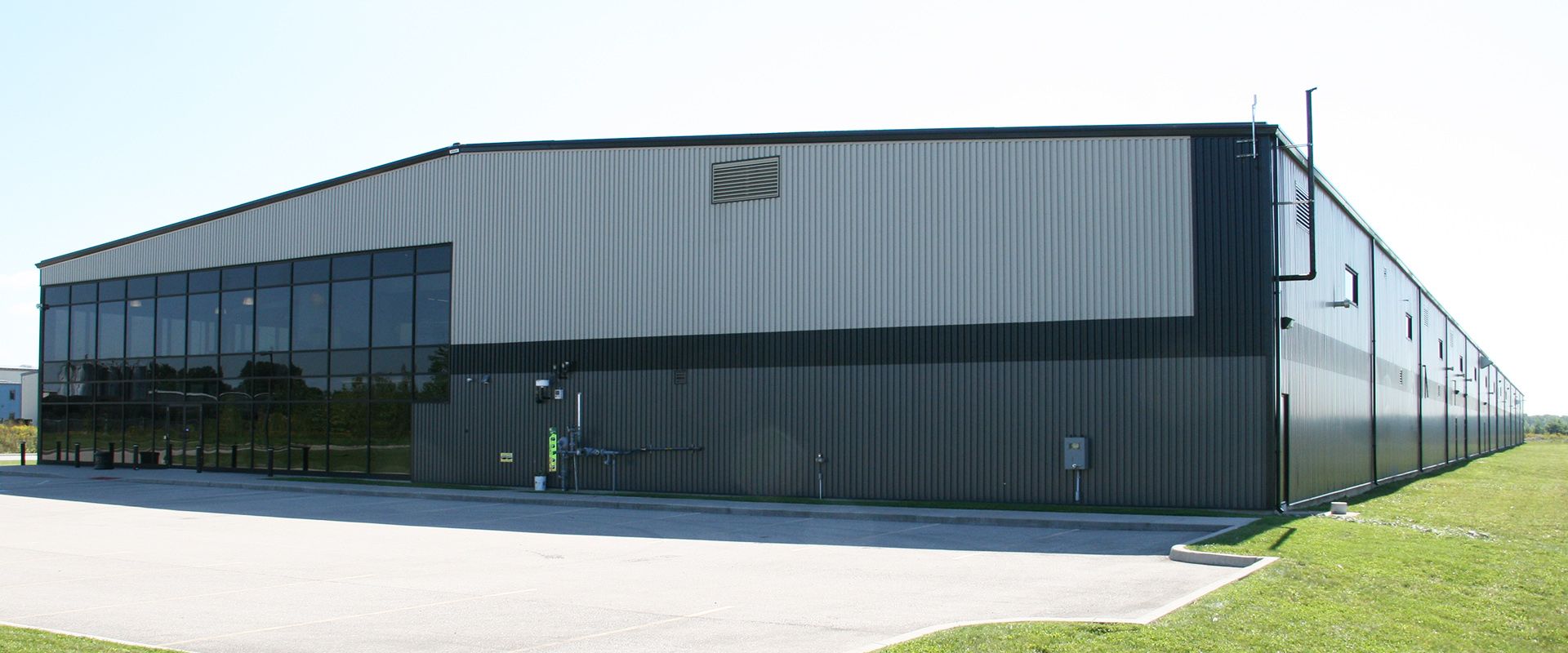
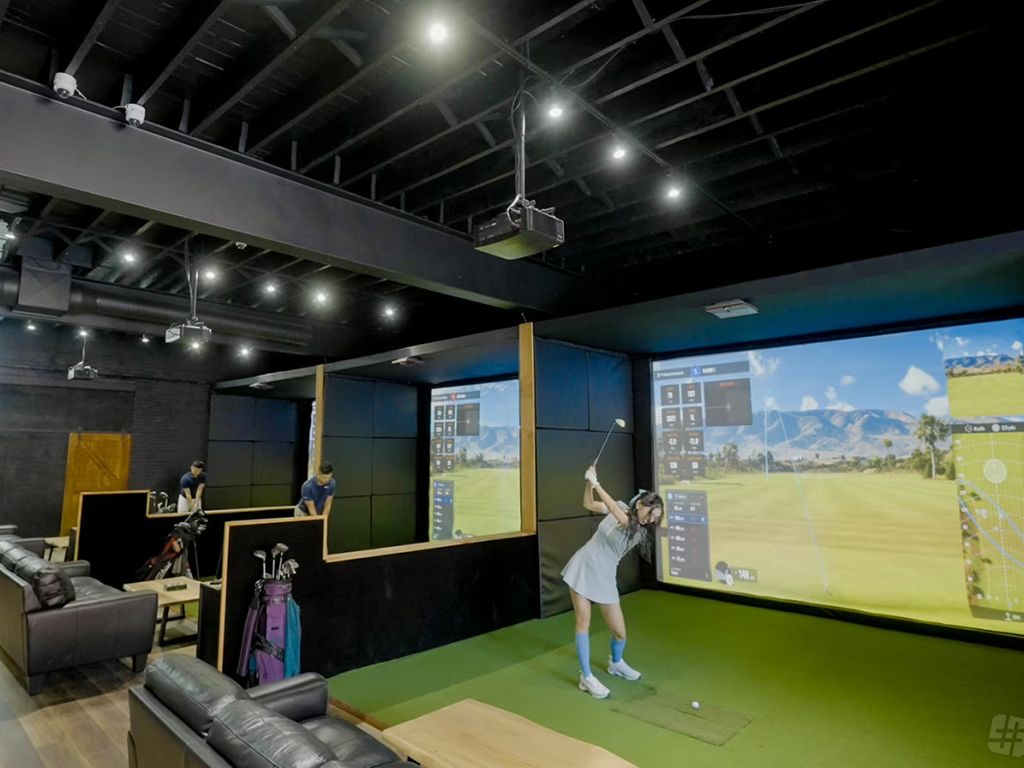
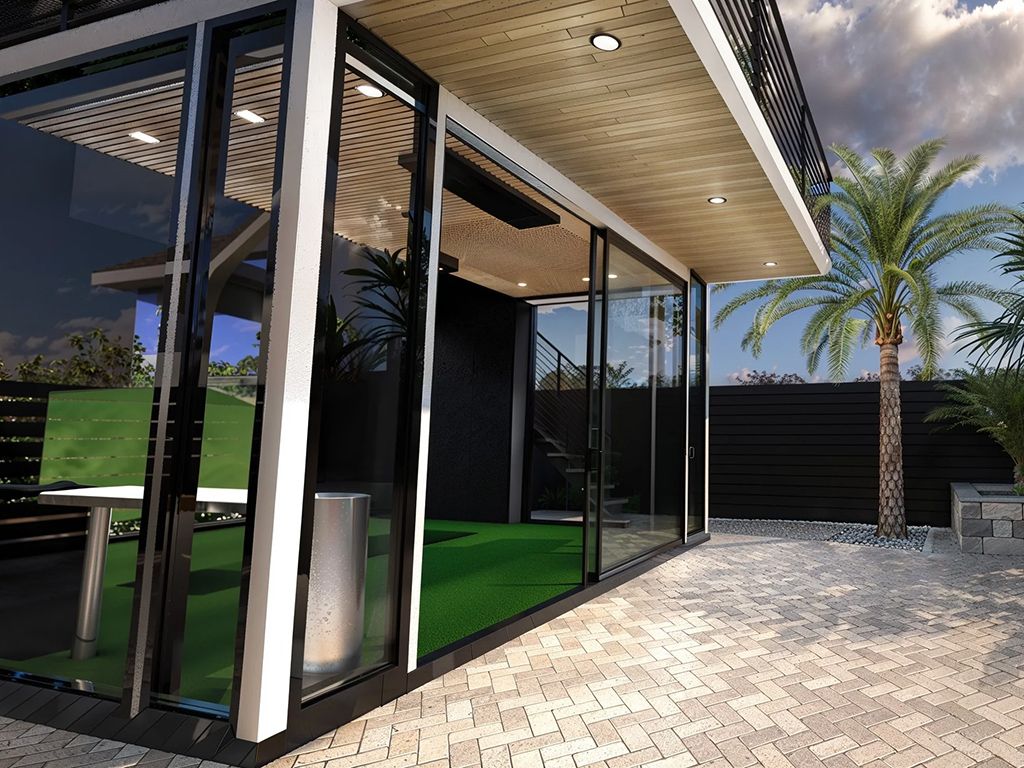
Fortunately, adding a standalone building to house golf simulator bays does not have to reduce the space available to members nor be a burden on finances. A standalone pre-engineered steel building can affordably house the virtual golf operation. It provides all the comfort, including lounges, a bar, kitchen and washrooms, without taking up clubhouse space that’s already being used for other activities, such as weddings, events, merchandising and other guest services.
Golf simulators are low-cost to run, require very few (if any) personnel to manage (some offer 24-hour access where players management their own entry through keyless barcodes, supervised by cameras instead of paid staff). They are an efficient way to increase revenues and add value to current membership.
Virtual golf builds more activity within the club and enhances food and beverage revenues throughout the year, especially if the facility does not offer tennis, pickleball or curling throughout the long winter off season.
When your team looks at the idea of adding indoor golf,
Summit Steel Buildings is your ideal turnkey construction partner. We’ll take you from design through fabrication and engineering into installation to get your new member facility up-and-running in mere months, at a price that (as you shall see) can pay back your capital investment within only a year or two.
Market demand for indoor golf
Virtual golf is something that traditional golf courses can no longer ignore. People are demanding it.
Commercial facilities are rapidly opening in plazas, strip malls and office buildings. At the same time, many golf clubs are installing simulator bays because it provides exciting year-round experiences for their members. Off-course activity is already happening at traditional golf courses, while new stand-alone facilities continue to grow.
According to Golf Canada, about 23 per cent of golfers in Canada participated in simulator golf in 2022. That number has since grown to 41 per cent. In the United States, recent surveys indicate that more people are now playing golf off the course than on it.
Off-course golf is not a replacement for classic layouts or modern designs. It complements them. It helps break down preconceptions, introduces the sport to new audiences and “shows Canadians they can enjoy golf in a way that suits their lifestyle”.
The growing opportunities for new and existing golfers
Virtual golf play is clearly becoming a gateway to the sport. It’s trendy, fun and a quick low-investment way to try out the sport in a casual, informal setting. Golf Canada is actively promoting golf simulators through its “Just Swing” campaign as a way to introduce more people to the sport and encourage more year-round participation.
Golf Canada recently even created a pathway connecting indoor golf to on-course national competition by allowing
players to qualify for the pro tour through simulator play. The inaugural BDO National League indoor qualifier will let selected players advance to the outdoor Provincial Finals as part of the BDO National Golf League..
The economics of capital asset construction
Summit Steel Buildings has been busy preparing quotes for several golf clubs across Canada throughout the winter and spring of 2026 so we’re well-versed with the financials. Course owners and managers are seeing the benefits of using pre-engineered metal structures to quickly and affordably build a standalone golf facility for their simulator needs.
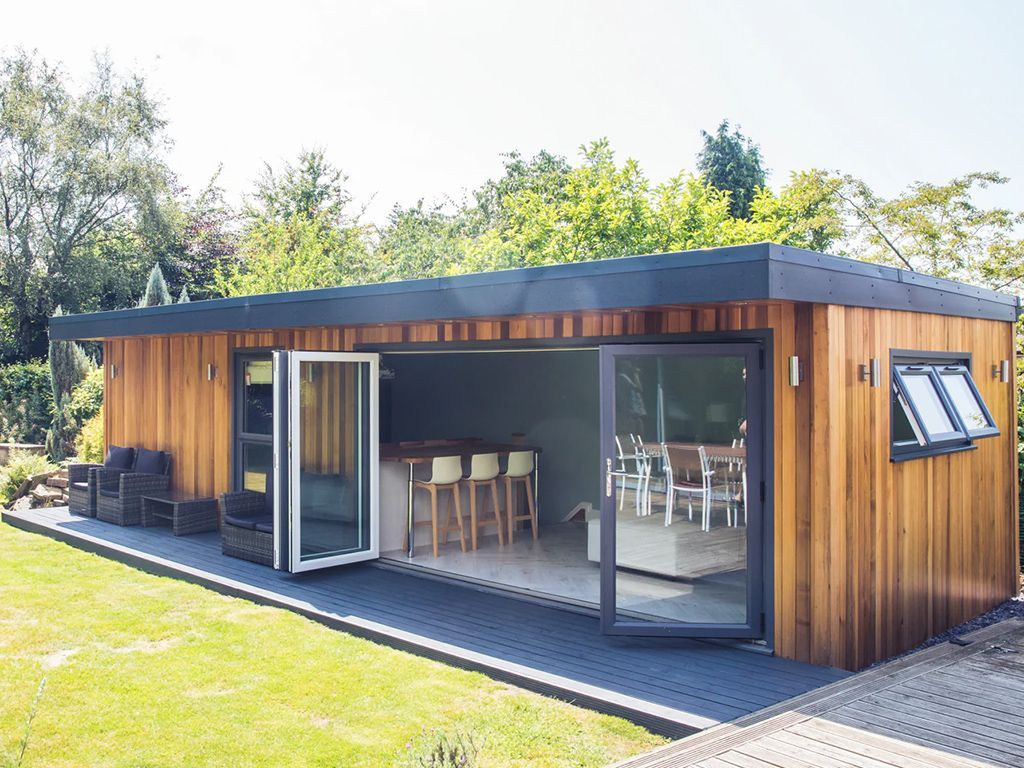
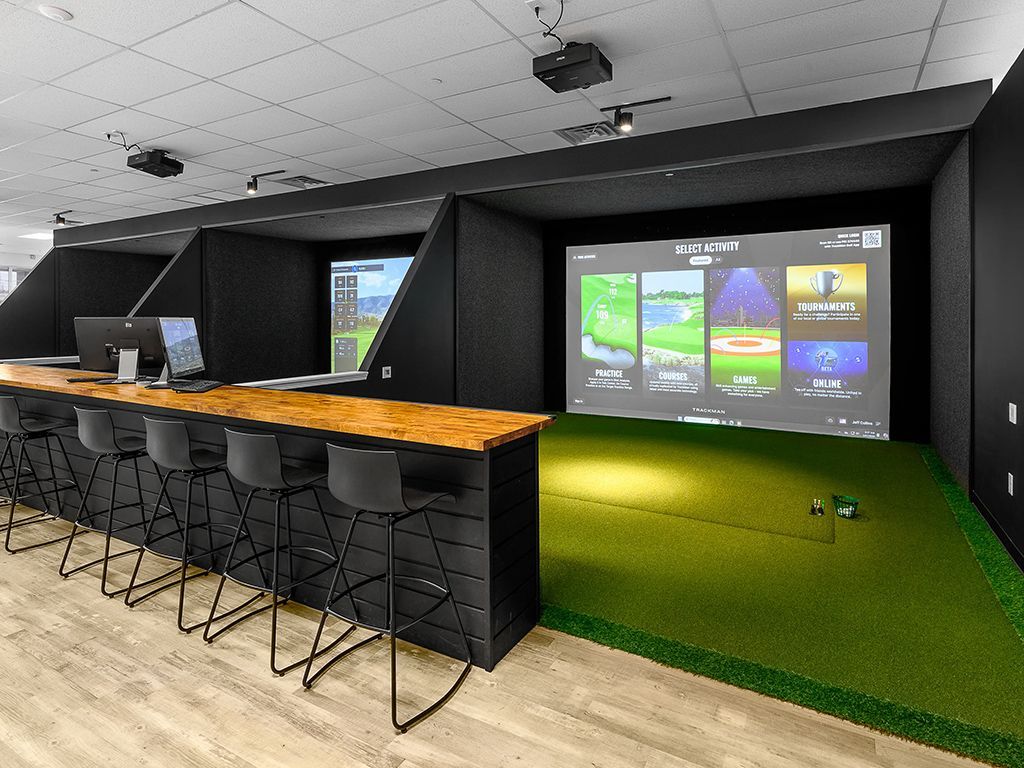
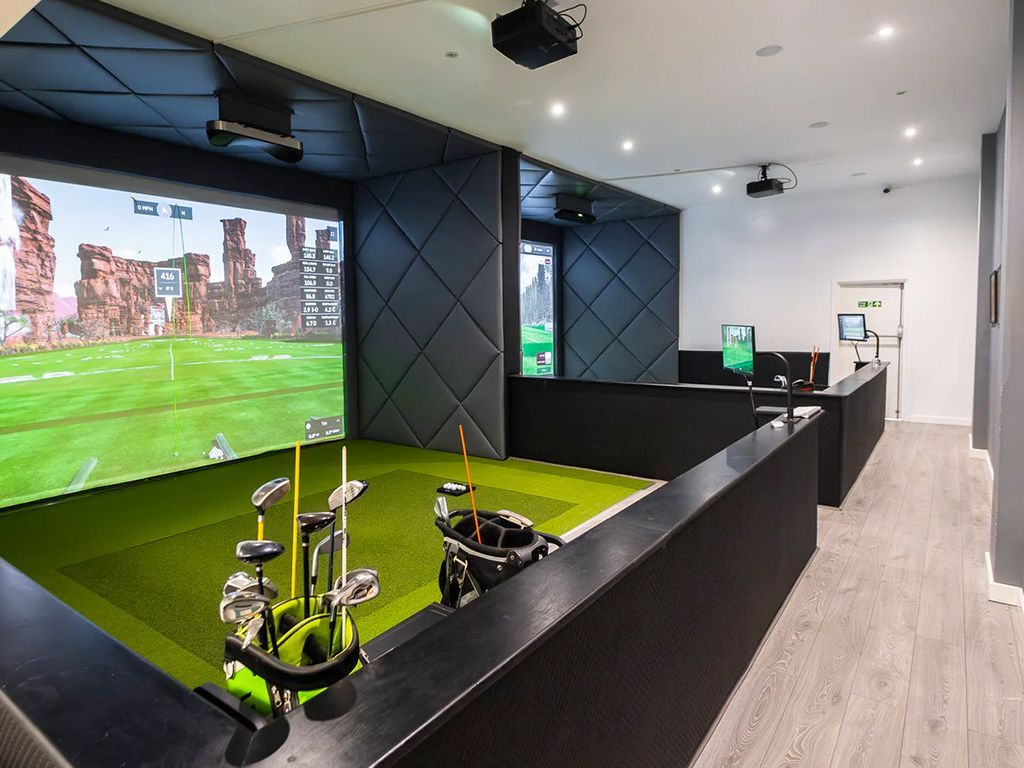
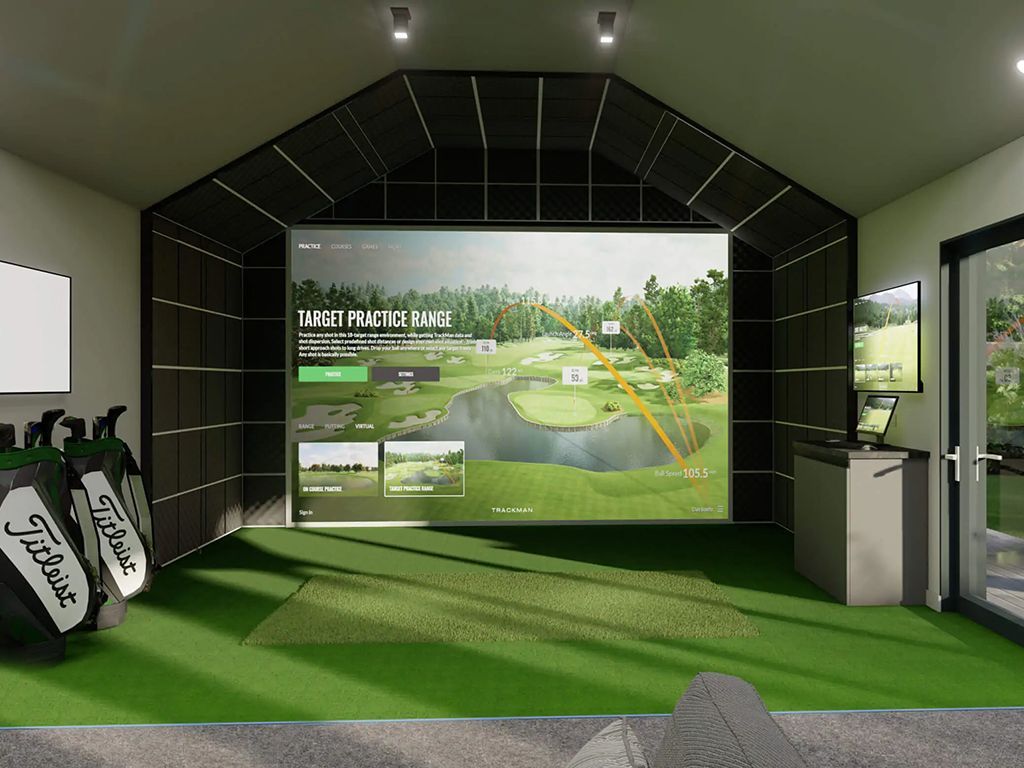
Let’s consider a stylish and comfortable golf simulator building with four bays, a lounge and ample room for bathrooms and storage (all the following figures are examples expressed in Canadian dollars). The building stands approximately 2,400 square feet – approximately the size of a small bungalow house. Each bay costs approximately $50 per hour for up to four players to enjoy either a simulated round or driving practice. With four swing bays being used 150 days a year for only six hours per day, that’s an additional $180,000 per year in revenue (without including additional food and beverage – who doesn’t enjoy a nice cold beer while paying golf?).
On the capital side, the 2,400 square foot building (with 16-20 feet high interior spaces) will require $180,000 for complete construction (additional costs may incur depending on the level of final finishings). Golf bays don’t necessarily need to have the same level of fancy interior design that is required for the main clubhouse. However, if you want to add all the “bells and whistles” to make it as stylish as the rest of your guest facilities, we'll design it to suit.
Your building costs are broken down this way: $22 per square foot for the concrete foundation materials and installation, $27/sq. ft. for the steel building components and materials and another $25 for building construction. Obviously, the expense of the actual launch monitors, golf screens and computer systems are additional costs to consider – can vary widely based on the level of desired sophistication. Market leaders include Trackman, Foresight Sports, FlightScope and Uneekor.
Based on these calculations (local loads for snow, wind and ground condition may vary), one season using the four bays pays for the building installation over the course of one year. That’s an amazingly short payback period and an ideal return on capital over the following years of use.
Driving success: Your experienced partner in project management
Summit Steel Buildings has the extensive combination of talent, experience and tools to oversee your entire project from start to finish. We’ll be your one point of contact for the entire process. You can rely on our expertise in metal building construction to build a golf facility that’ll impress your guests while it strengths your bottom line.
Other golf-related resources:
- From tee box to balance sheet – Pre-engineered golf structures that deliver competitive value
- Steel buildings on par for golf courses
- Golf courses impress guests and members with steel
When you need new or updated facilities for your golf operation, we’re your partner for maintenance workshops, storage buildings, clubhouses, halfway huts and golf simulator facilities. Bring additional joy to the way members can get their golf fix throughout the year and keep ownership excited about increasing revenues in an intelligent and growing manner.
Looking to capitalize on Canada’s indoor golf boom? Contact our Summit Steel Buildings construction team. We offer customizable, pre-engineered steel solutions – including club houses, workshops, cart storage units and pro shop expansion – designed to match your vision and seasonal timelines. Let’s start building: reach out at 1-877-417-8335 or by email at info@summitsteelbuildings.com for a free quote and to discuss what designs can be created for your site-specific concept today.
About the author
A. Paul Mitchell is the Marketing Director for Summit Steel Buildings and is an award-winning marketing professional with over 30-years experience in design, marketing and corporate communications. His previous cross-industry experience has helped develop an extensive breadth of skills, including writing, graphic design, web design, media relations and photography. Paul holds an Executive Master of Business Administration degree (MBA), a Bachelor of Arts degree and professional certificates in Leadership and Business Analysis from Western University. He also completed Centennial College’s post-graduate marketing and business management program. He lives in London, Ontario with his family.