Building the backbone of modern portsSteel structures support port authority operations
Core building needs for port authorities
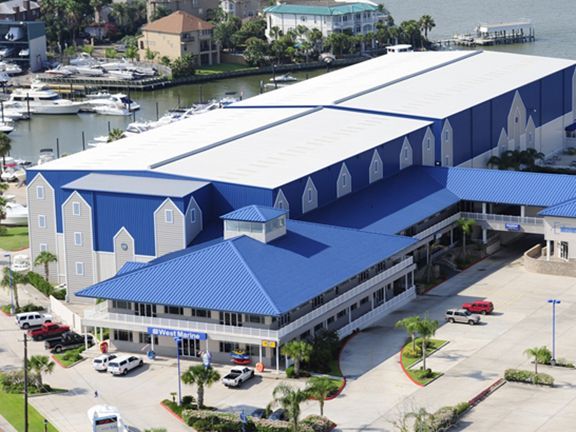
Port authorities oversee a wide range of facilities, each serving a specific operational or public-facing role. The most common port-authority building types include:
- Operations and administration buildings for harbor masters, customs, security, and logistics coordination
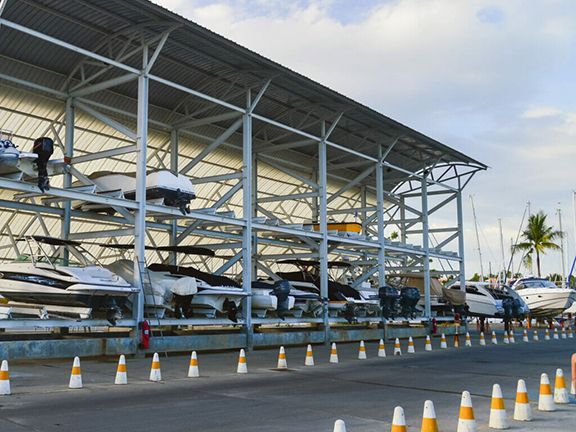
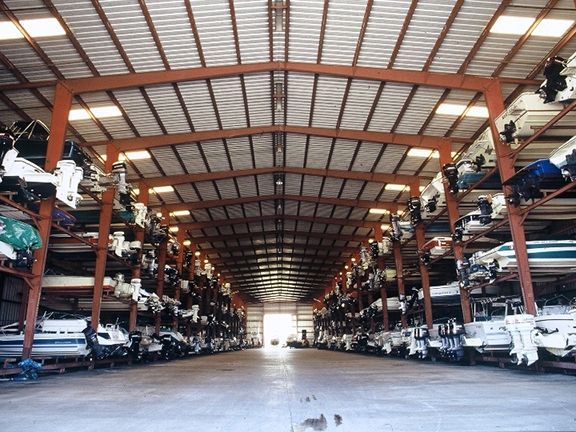
- Warehousing and cargo-handling facilities supporting containerized, bulk, and breakbulk operations
- Maintenance and service buildings for port equipment, vehicles, and marine assets
- Fuel storage and marine supply structures designed to meet safety and environmental regulations
- Passenger terminals for ferries and cruise operations, including ticketing, screening, and waiting areas
These buildings must withstand harsh coastal conditions while remaining functional, safe and cost-effective over decades of use by offering low maintenance in terms of dollars and labour hours.
Why pre-engineered steel buildings make sense for port infrastructure
Traditional construction methods – such as masonry or wood – often struggle in marine environments due to moisture intrusion, corrosion and long construction timelines. Pre-engineered steel buildings address these challenges directly.
Key advantages for port authorities include:
- Durability in coastal environments, with steel systems engineered for wind, seismic, snow and salt exposure
- Long clear spans, allowing unobstructed space for cargo handling, vehicle movement and equipment storage
- Rapid construction, minimizing disruption to active port operations
- Lower lifecycle costs, reducing maintenance and long-term repair budgets
- Expandable design, enabling phased growth as port capacity requirements increase
From snow-loaded ports in the Great Lakes to hurricane-prone Caribbean harbors, steel buildings provide predictable performance across diverse geographies.
Supporting growth, compliance, and public experience
Modern ports must balance industrial efficiency with public-facing responsibilities. Steel building systems allow port authorities to consolidate operations while improving user experience – particularly in passenger terminals and mixed-use waterfront facilities.
Architecturally enhanced steel structures can support:
- Bright, welcoming terminal environments
- Integrated office and operational control spaces
- Durable public facilities that align with waterfront revitalization plans
Because steel buildings are engineered upfront, port authorities gain greater cost certainty and schedule control – critical factors in publicly funded infrastructure projects.
A strategic partner for port authorities
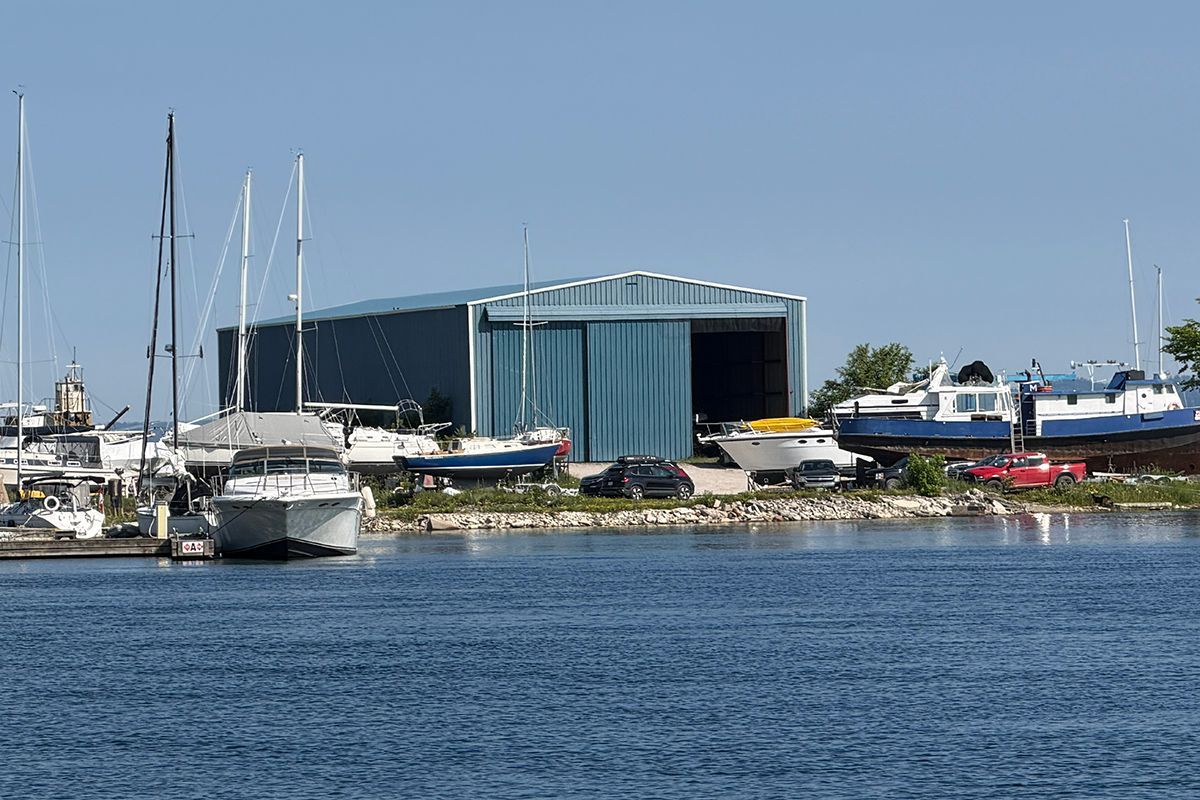
Summit Steel Buildings provides port authorities with a comprehensive solution for the engineering, supply and construction of pre-engineered metal structures. Their systems are tailored to commercial and industrial applications where durability, speed and adaptability are essential.
By delivering engineered building platforms rather than one-off structures, Summit Steel Buildings enables ports to invest in infrastructure that supports long-term operational resilience and future expansion.
Building ports for the next generation
As global trade patterns shift and ports modernize to meet new demands, infrastructure decisions carry long-term consequences. Pre-engineered steel buildings offer port authorities a proven path to resilient, efficient and future-ready facilities.
For port authorities planning new facilities or upgrading aging infrastructure, steel is no longer just an option. It is the foundation for the next generation of port operations.
Cost effective
Durable, strong and secure rigid frame system
Clearspans to more than 300 ft. (91.44m) wide
Ideal climate control during winter
Bay spans up to 60 feet (18.3m)
Protects against theft and damage