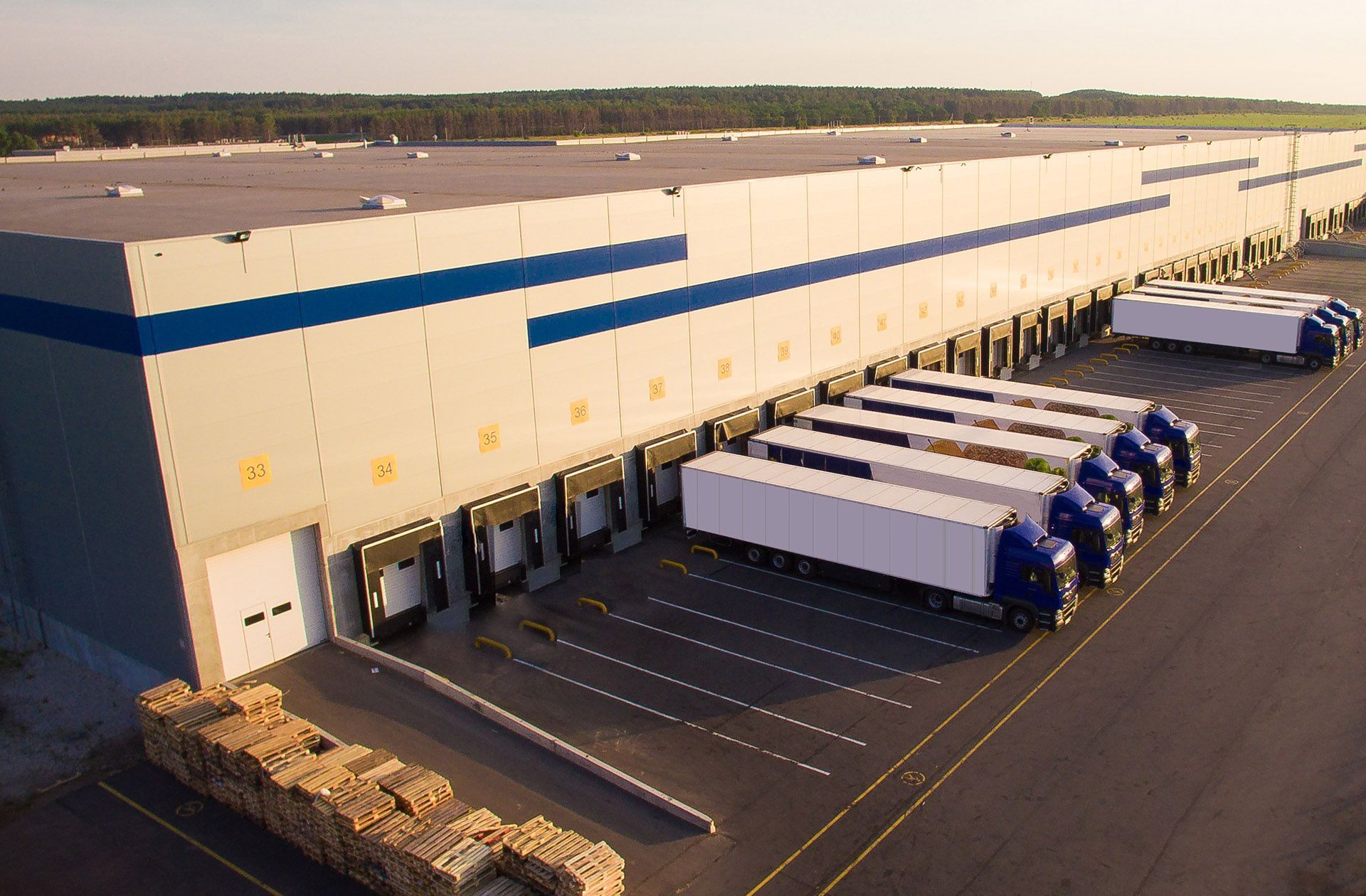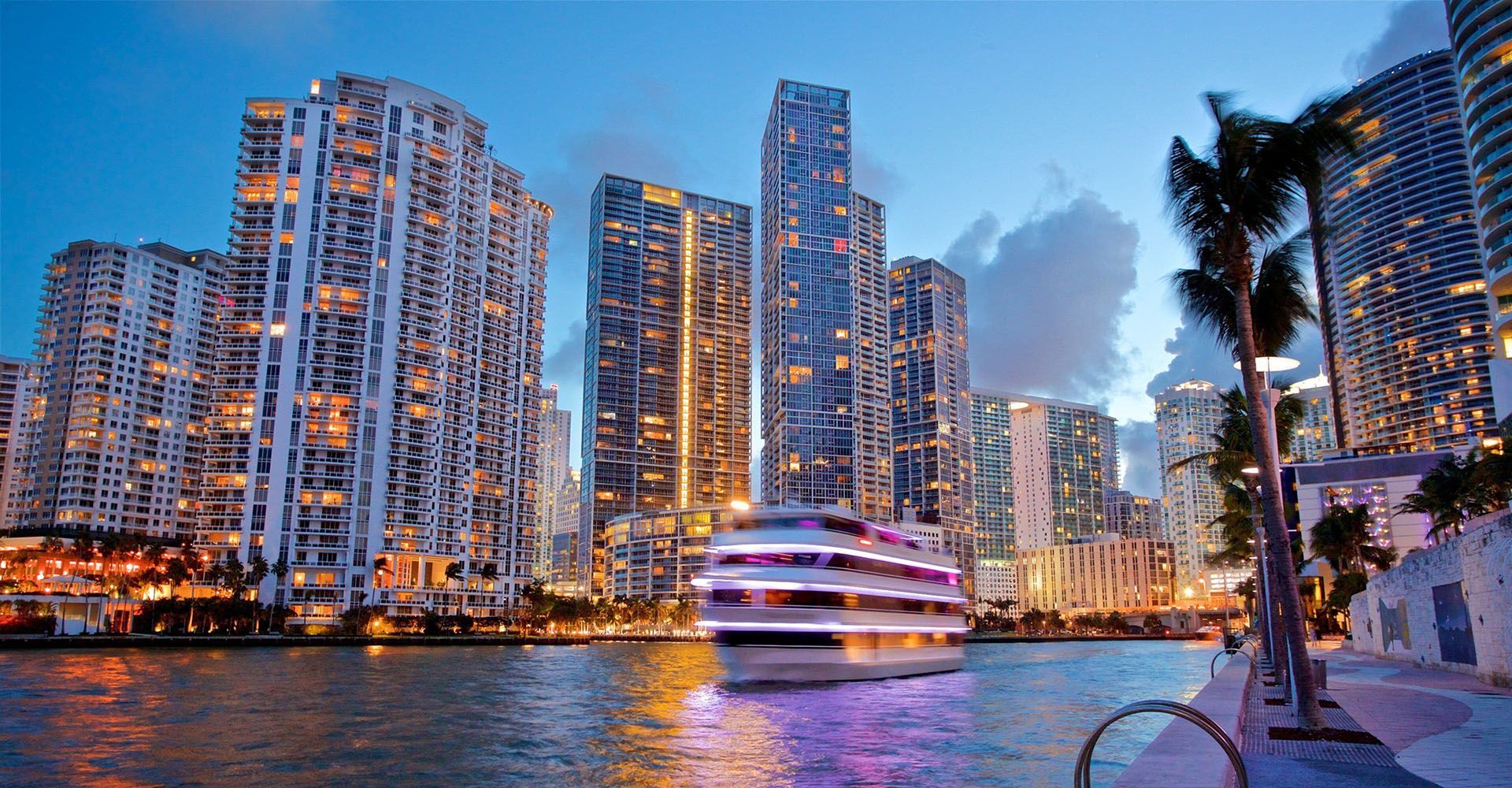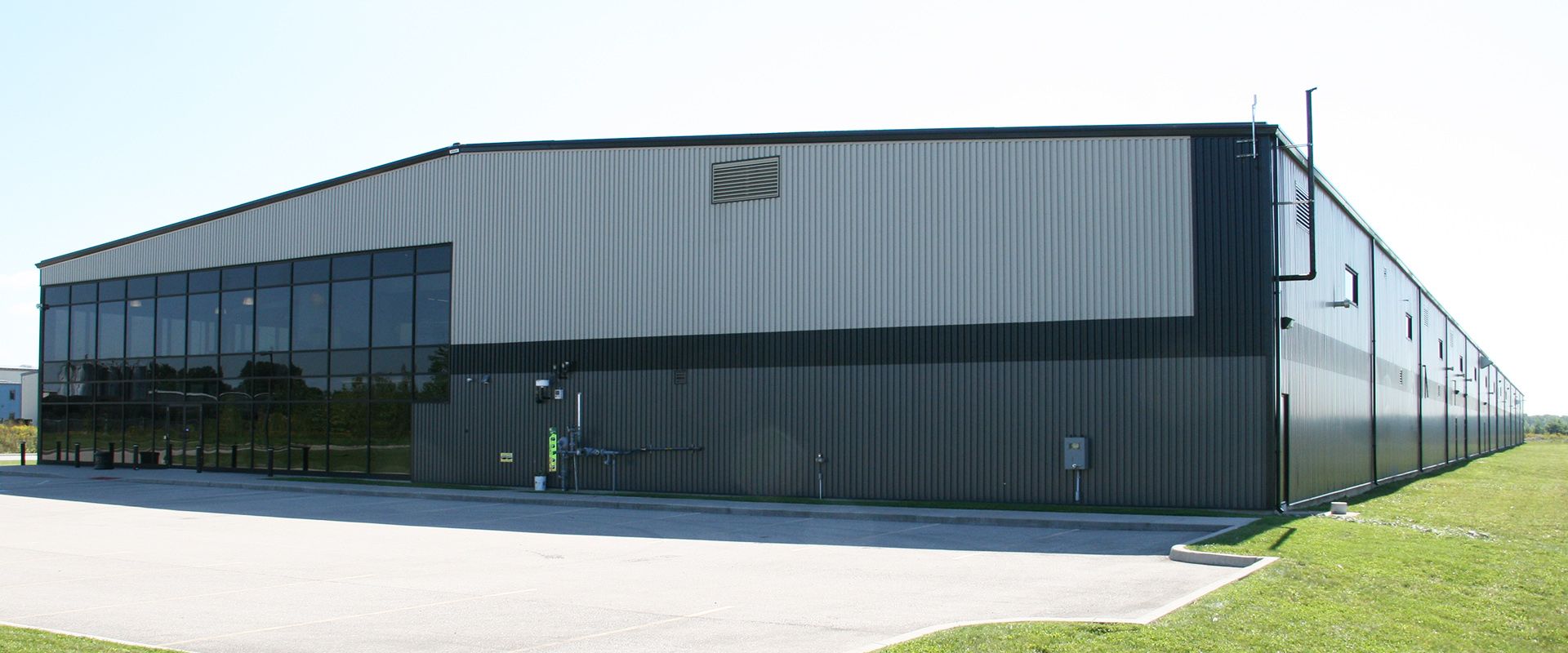
Beyond metal panels – Rethinking the outside look of steel buildings
Exterior façades for metal structures aren’t exclusively restricted to a limited choice of panels. The entire world of architectural finishes and design is open to your imagination.
Written by
Frank Melo
For many people, the phrase “steel building” still brings to mind a familiar image of corrugated panels, industrial finishes and purely functional design. It’s an outdated perception that no longer reflects what’s possible today.
Modern pre-engineered steel buildings have evolved into something far more versatile. At
Summit Steel Buildings, metal is not the only material used to finish the look of a building; however, it is the structural system that allows architects and owners to pursue virtually any exterior design they choose.
Façades are supported by a steel framing system
At the core of every pre-engineered building is a precisely engineered steel frame. This primary structure carries the building’s loads and defines its geometry. From there, insulated steel panels are typically installed to create a sealed, high-performance envelope. These panels provide strength, weather protection and thermal efficiency – but they do not necessarily define the building’s final appearance.
Instead, steel wall panels act as a stable, reliable backing system. These panels often remain unseen yet play a critical role in holding a multitude of other exterior materials in place while maintaining the building’s structural integrity. This separation between structure and appearance is what opens the door to architectural and aesthetic design flexibility.
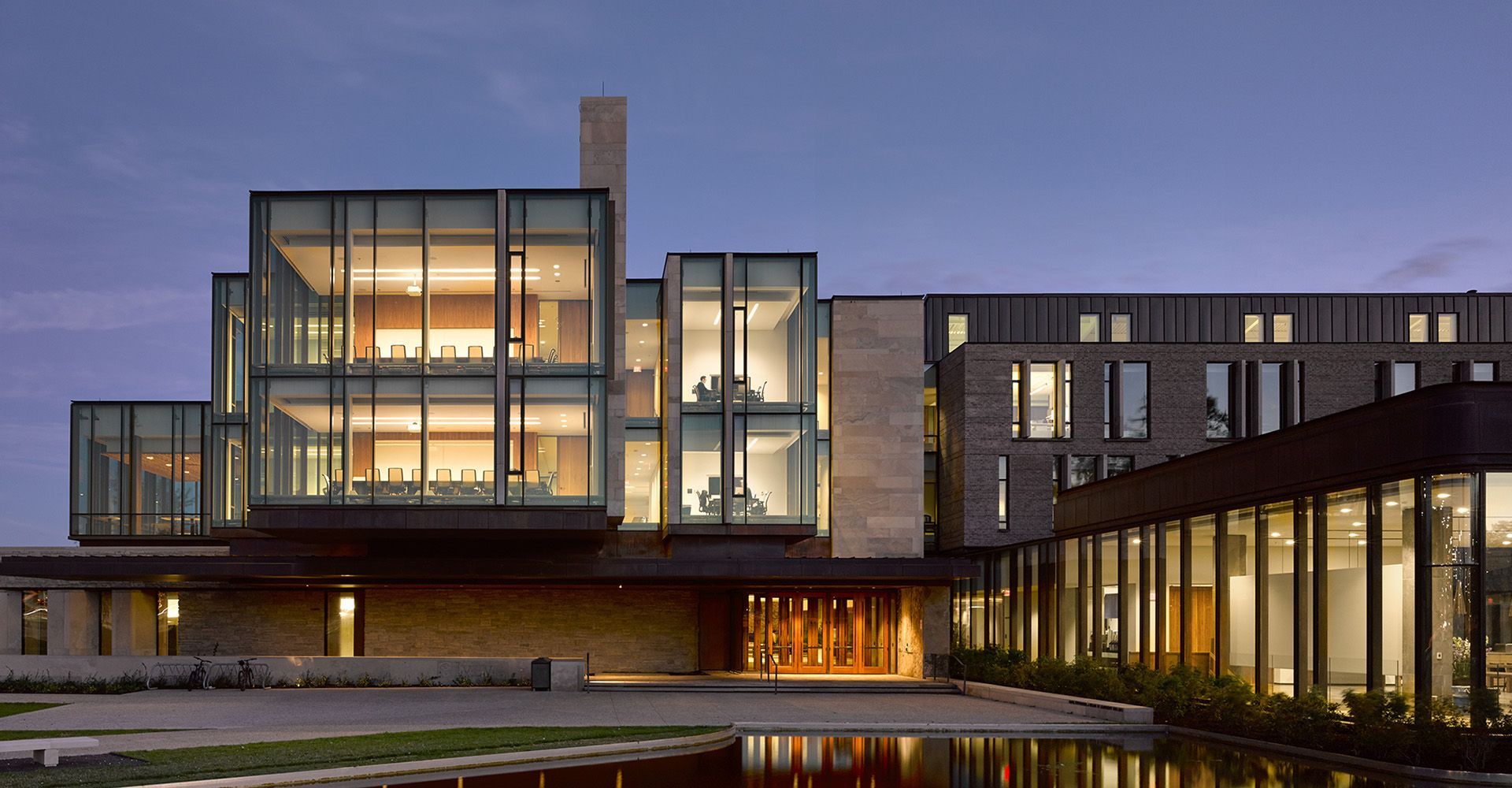
Brick and stone can be applied to create a timeless look. Wood or engineered timber introduces warmth and texture. Stucco systems deliver a clean, contemporary aesthetic, while
glass curtain walls can transform a facility into a light-filled, modern space. Increasingly, designers are blending these materials – layering finishes to create buildings that feel custom, intentional and
aligned with a brand’s identity.
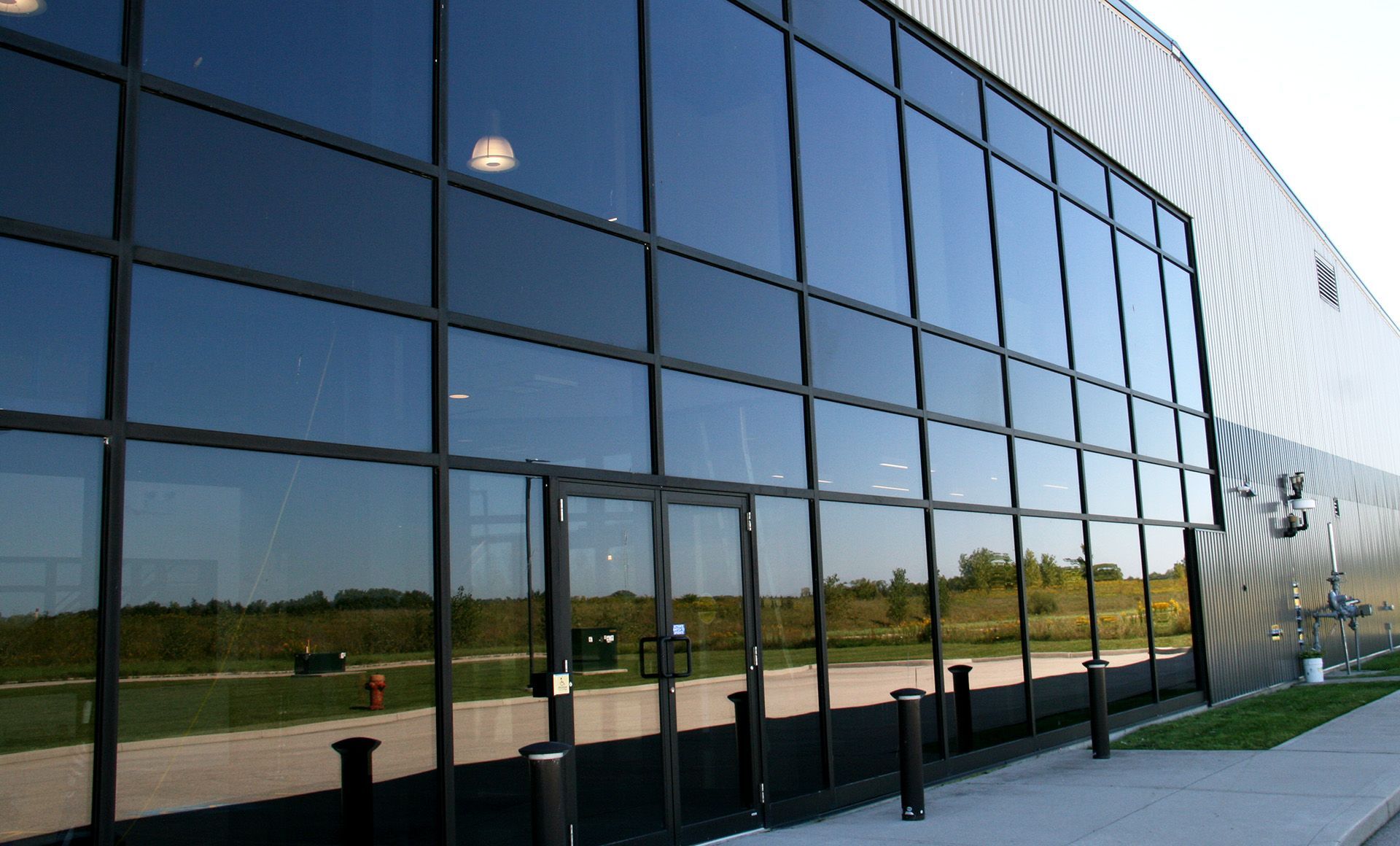
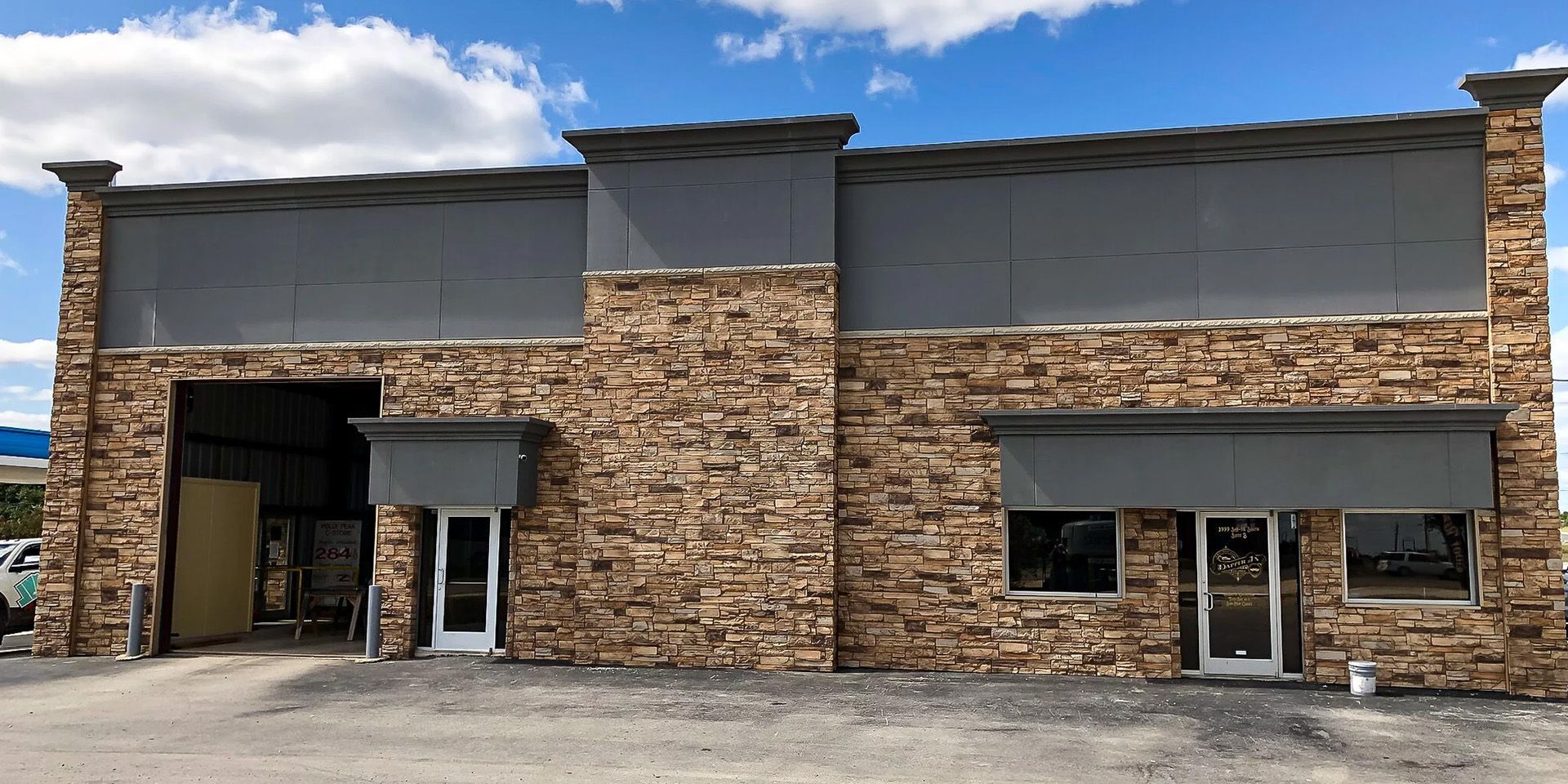
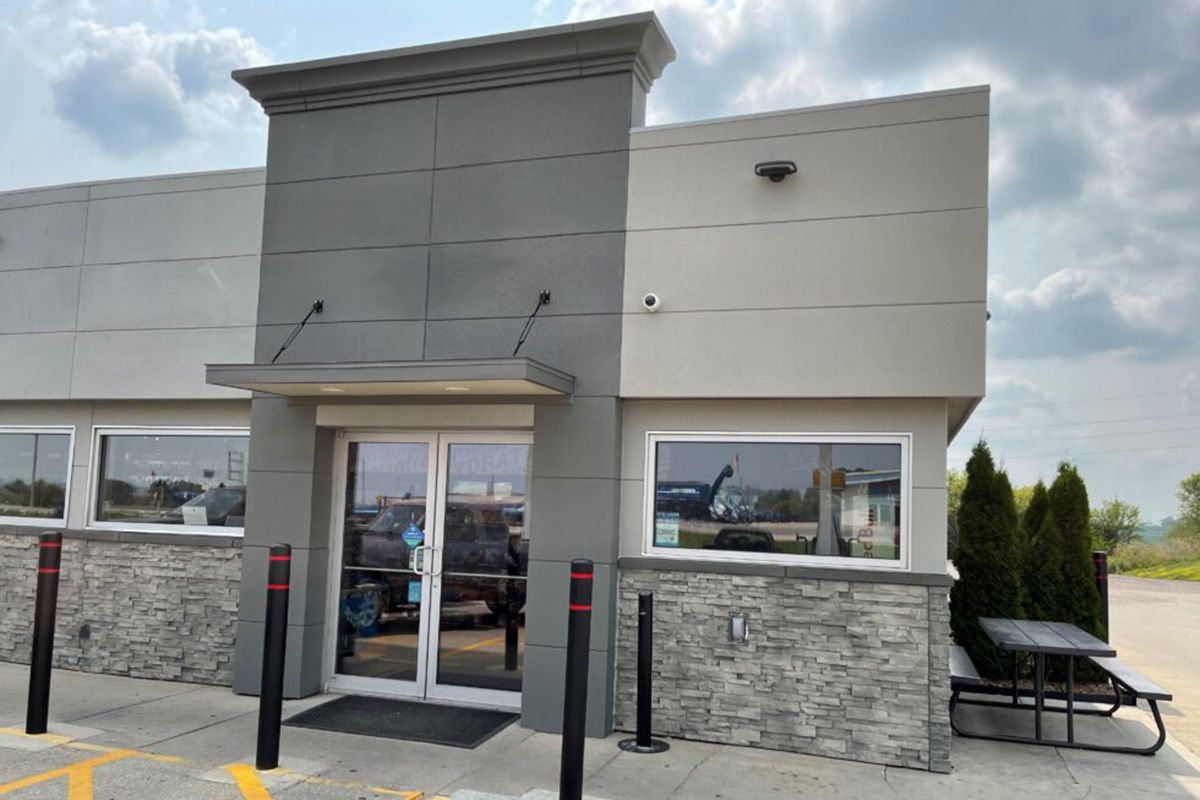
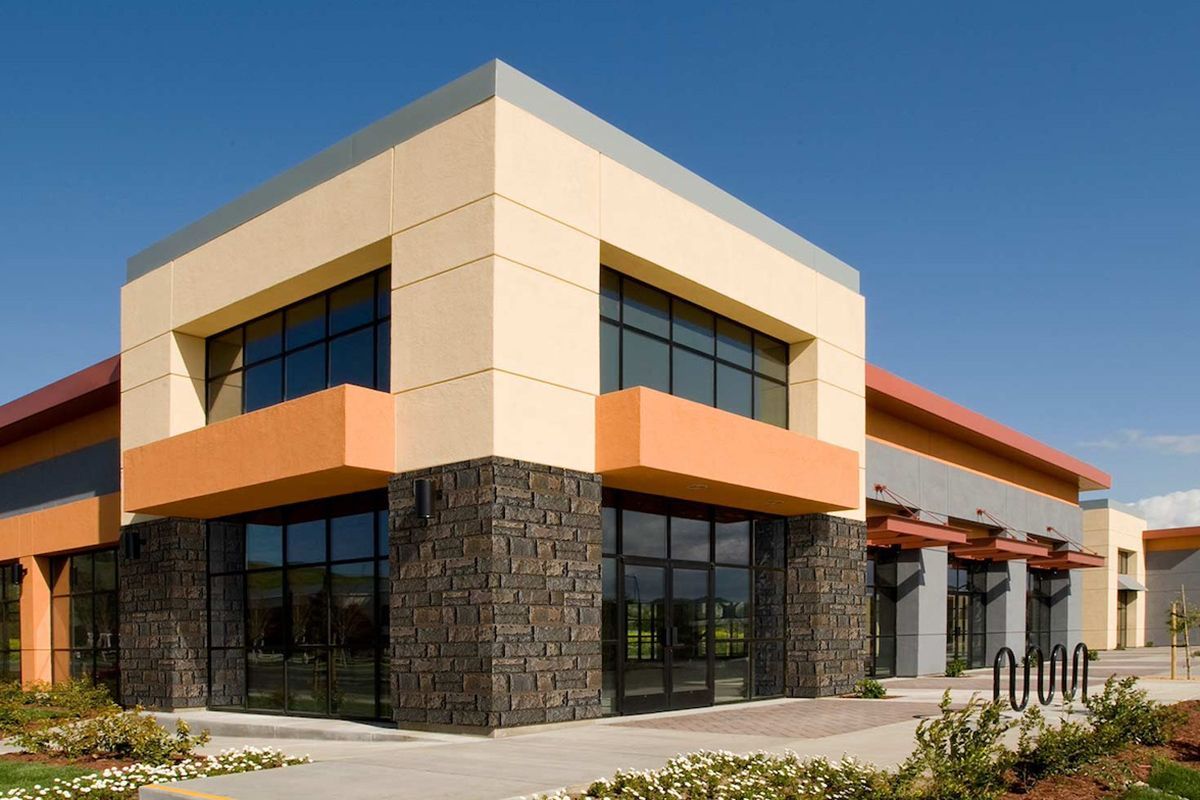
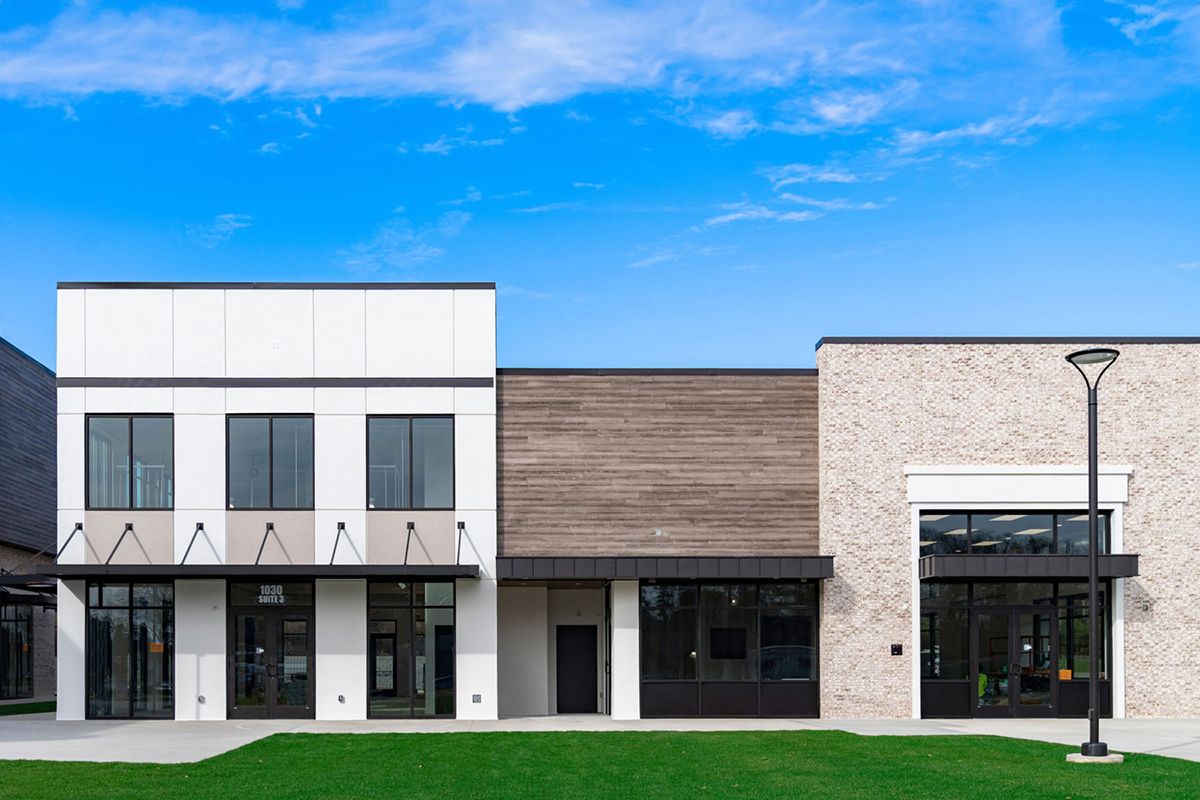
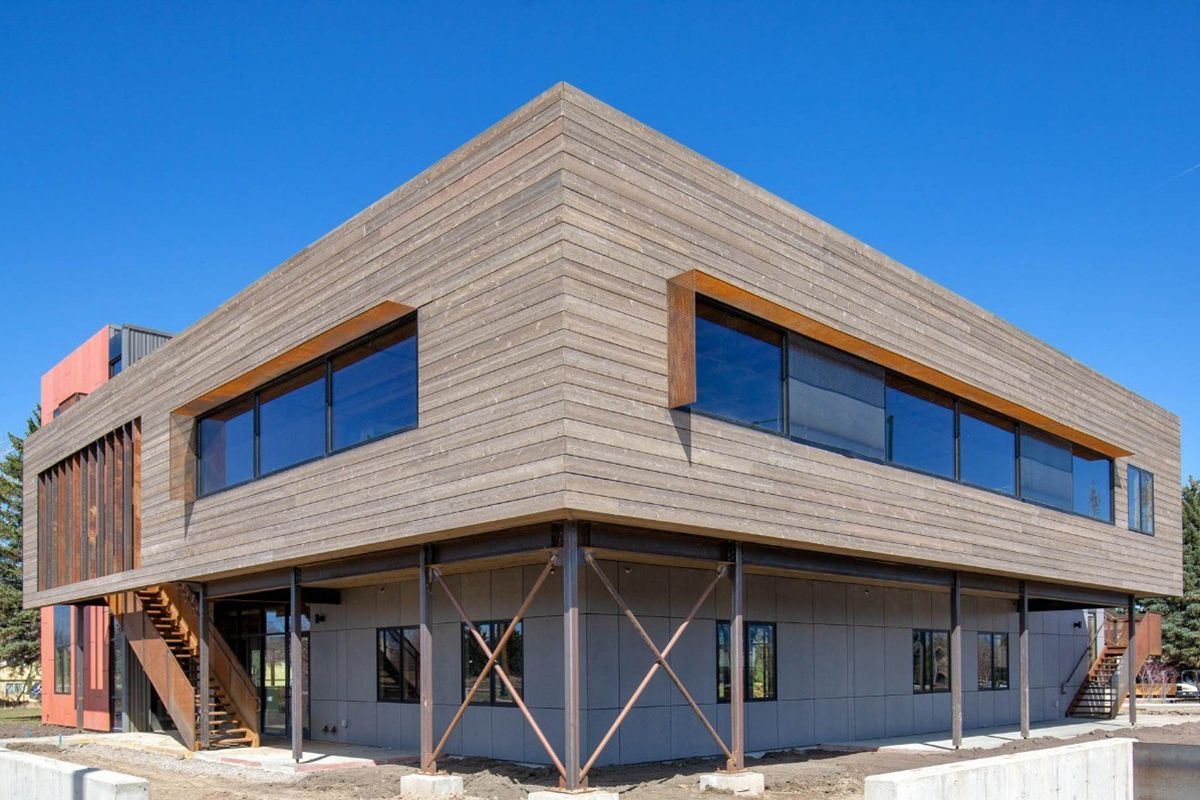
Choose any material – from wood to stone to stucco – for your building’s exterior
When it comes to exterior design, pre-engineered steel systems offer a compelling advantage. While the exterior can reflect almost any architectural style, the structure behind it remains consistent, durable and low maintenance. Steel does not warp, split or deteriorate in the way traditional materials can. It maintains its strength over decades, requiring minimal intervention. At the same time, the building envelope created by insulated panels helps regulate temperature, reduce energy loss and protect interior operations from the elements.
The result is a balance that is difficult to achieve with conventional construction: expressive design on the outside, engineered performance on the inside.
There is also a long-term benefit that is often overlooked during initial planning. Because pre-engineered systems are manufactured with tight tolerances and assembled as integrated systems, they are inherently more adaptable. Buildings can be expanded, modified or upgraded without the kind of structural disruption that typically comes with masonry or timber construction. New openings can be introduced, layouts can evolve, and operations can scale – all without compromising the integrity of the original structure.
This adaptability is particularly valuable for growing businesses. A facility is rarely static, and a building that can evolve alongside operations represents a significant strategic advantage.
Architecture as part of your company’s brand
Beyond function and flexibility, the company’s identity is another dimension that deserves attention. Companies are increasingly recognizing that their buildings are not just operational assets – they are physical expressions of their brand. Architecture becomes part of how a business presents itself to clients, employees and the broader community.
Globally recognized developments like Apple Park demonstrate how design can elevate a building into something iconic. While not every project aims for that scale, the principle remains relevant. With the right system in place, even industrial or commercial facilities can move beyond generic design and become distinctive, memorable spaces.
That is ultimately the value proposition of modern steel construction. It removes the traditional trade-off between performance and appearance. Instead of forcing a choice between durability and design, it delivers both.
For project owners,
architects
and developers, the takeaway is how steel does not limit creativity – it enables it.
Don’t limit your exterior appeal to just metal siding
If you are planning a new facility, it is worth considering what a steel building can be. With
Summit Steel Buildings, you gain a structural system designed for performance, paired with the freedom to create an exterior that reflects your vision.
The result is a building that works as hard as it looks – and looks exactly the way you want it to.
Contact Summit Steel Buildings to discuss how your next project can be designed with the exterior finishes that will impress your community. We’ll provide you with preliminary technical drawings and a cost-effective price. Reach our team online, by email at info@summitsteelbuildings.com or at 877-417-8335.
About the author
Frank Melo has a construction civil engineering technology and business background with over 30 years of experience as a business owner and contractor. He was raised and educated in London, Ontario and now divides his time between projects primarily in Ontario, British Columbia and Washington State. He can be contacted at Summit Steel Buildings at
(778) 951-4766 or by email at
frank.melo@summitsteelbuildings.com or through
LinkedIn.