Understanding concrete foundations for steel buildings
Not every builder provides complete turnkey construction for their metal structures. Summit Steel Buildings does total projects from start to finish, including all foundation and concrete work to reduce complications and effort for clients.
Written by
Frank Melo
When it comes to constructing steel buildings, one of the most critical aspects is the foundation. The foundation ensures the stability, strength, and longevity of the structure. Concrete foundations are commonly used due to their durability and versatility. In this article, we'll explore the different types of concrete foundations used for steel buildings, why they are chosen, and how geographic location influences their design.
Not all metal buildings require the same engineering
There’s many reasons why steel building engineering varies significantly from location to location.
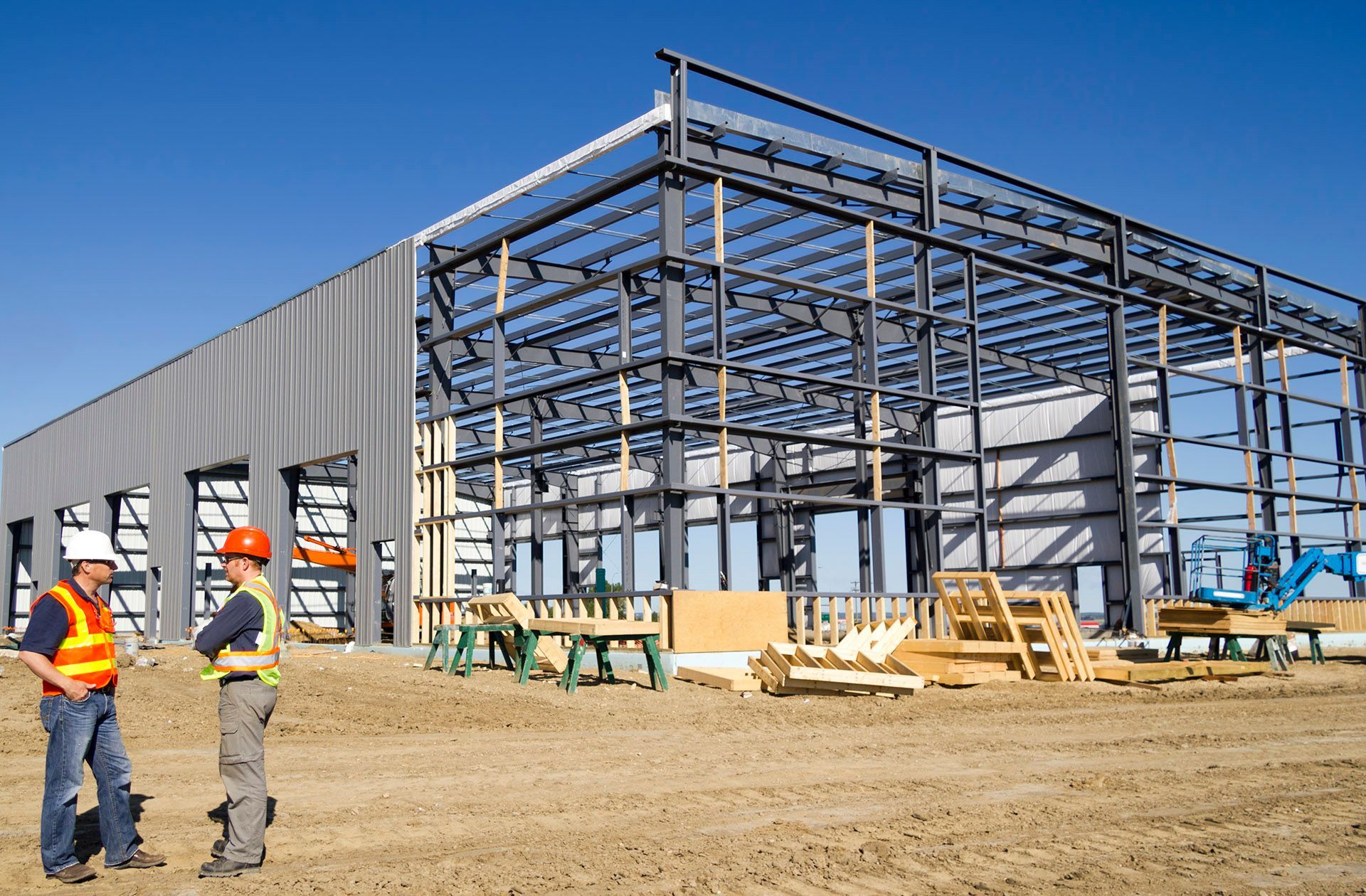
Seismic and structural loads are completely unique to each municipality – based on a variety of climatic factors. A building designed for British Columbia is completely different than one destined to be built on the prairies. The type of materials and engineering required for construction, as well as the amount and thickness of steel and type of framing, will vary significantly based on location and the size and design of the building.
The same is true for building foundations. Not every builder provides complete turnkey construction for their metal buildings. It’s one of the main reasons to go with an experience and knowledgeable builder like the team at Summit Steel Builders. They understand the local conditions and which type of concrete foundation and engineering is best suited to your individual building needs and circumstances.
Summit Steel Buildings supplies everything clients need from start to finish, including all foundational and concrete work. This increases the reliability of the final structure and reduces complications:
- Read about the hidden costs of metal building kits.
- Learn how turnkey construction eliminates hassles of using building kits.
Choose a building partner that delivers an ideal foundation suited to your geography
Based on various soil conditions, these are a few of the types of concrete foundations that can be sued to support your pre-engineered steel building, and create the perfect, level and ideal working or storage environment for your business.
- Slab-on-grade foundation. A slab-on-grade foundation is a single layer of concrete poured directly onto the ground. It is typically reinforced with steel bars or mesh. It’s ideal for areas with stable soil conditions and low freeze-thaw cycles, meaning it is commonly used in commercial and industrial building construction. The main advantage for using slab-on-grade foundations is that it’s cost-effective, quick to install and provides a solid base for the structure.
- T-shaped foundation. Consisting of reinforced concrete footings that extend below the frost line and a vertical wall rising above it to support the building, this type is used in regions with a significant freeze-thaw cycle. The T-shaped design provides extra support and stability against ground movement caused by freezing and thawing. As a result, they provide excellent frost resistance and stability for heavy structures.
- Frost-protected shallow foundation (FPSF). Suitable for cold climates where frost heave can cause significant issues, this type of foundation involves insulating the concrete slab and footing to prevent the ground beneath from freezing. The insulation extends around the perimeter of the foundation. FPSF is most commonly used in light commercial buildings for its cost-effectiveness in cold regions by reducing excavation depth and for providing energy efficiency benefits.
- Pier and beam foundation. Summit Steel Buildings uses this type of engineering with hundreds of steel piles drilled deep into the ground to create a base that can support a building’s weight. The term gets its name from other forms of buried supports that use concrete piers or columns, which are much more expensive and take longer to create. Because of the depth of support, this foundation type is ideal for areas with expansive or unstable soils, such as sand or silt. It also provides excellent stability in challenging soil conditions and allows for good drainage and easy access to utilities and repairs.
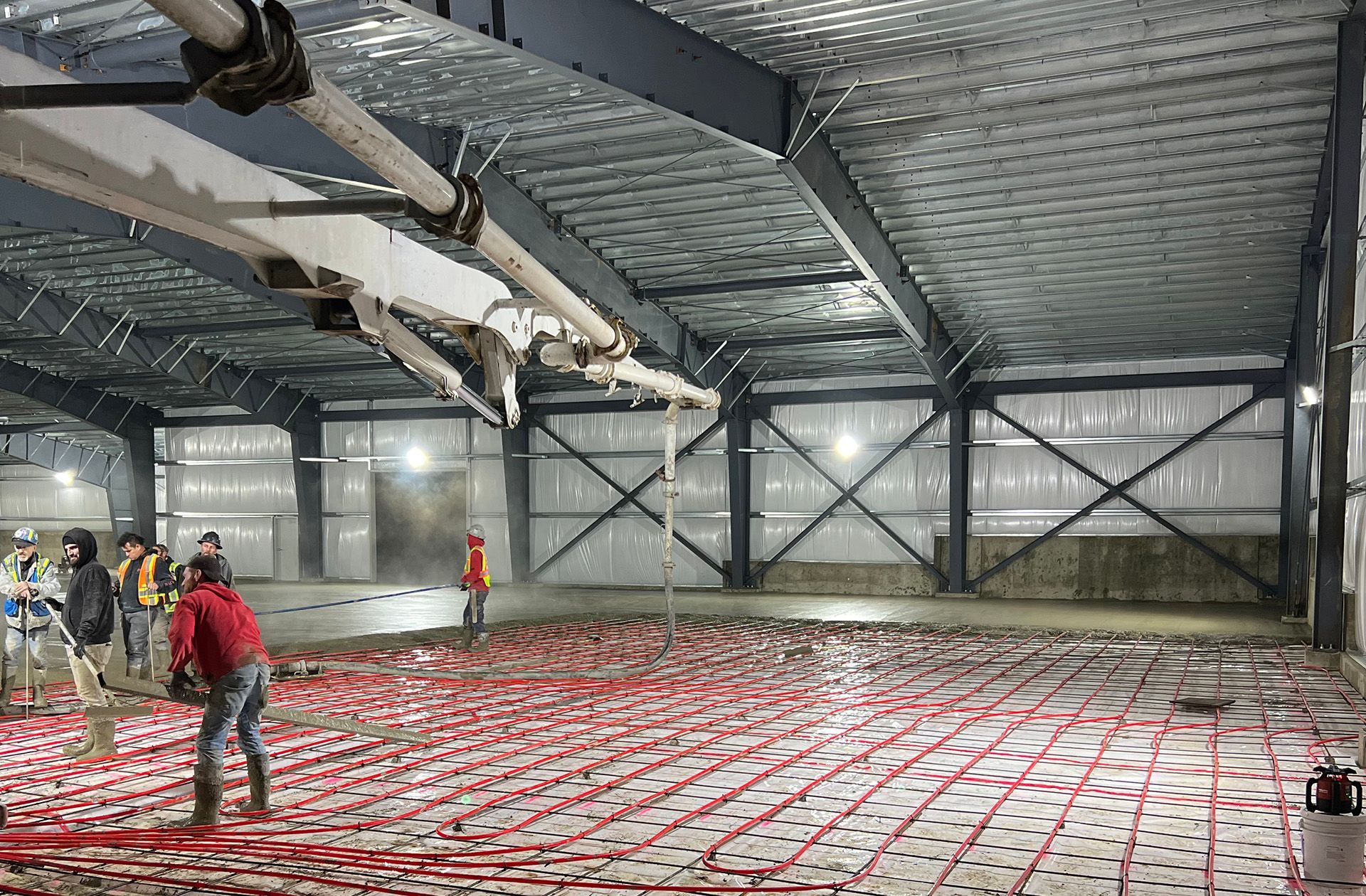
Different foundation designs are required for different geographic reasons
The choice of foundation design depends on several factors, including soil type, load-bearing capacity, climate and the specific requirements of the building. For instance, slab-on-grade foundations are preferred in areas with stable soils and mild climates because they are economical and quick to install. In contrast, T-shaped foundations are necessary in regions with severe frost conditions to prevent frost heave and to ensure structural stability. Meeting local and national building codes is equally as important.
The varying types of geography across Canada and throughout British Columbia strongly influences the type of foundation to be used. Here’s a quick list of the locale-specific factors that vary significantly across the country that will ultimately dictate which foundation design is chosen.
- Annual temperatures – In cold climates areas with frequent freeze-thaw cycles, frost heave can pose a significant risk to building foundations. T-shaped and frost-protected shallow foundations are designed to mitigate this risk by extending below the frost line and using insulation to prevent ground freezing. Steel piles are also frequently used.
- Expansive soils – Regions with expansive soils, which swell and shrink with moisture content, require foundations that can accommodate these movements. Pier and beam styles of foundations are effective in such areas, providing deep support and stability.
- Seismic zones – In earthquake-prone areas, foundations must be designed to withstand seismic forces. Reinforced concrete foundations with additional steel reinforcements are used to enhance the building's ability to resist ground-shaking activity.
- High winds – Areas prone to high winds and hurricanes require foundations that anchor the building securely to the ground. Slab-on-grade foundations with reinforced connections to the steel structure provide stability against uplift and lateral forces.
Strong, stable foundations begin with Summit Steel Buildings
Choosing the right concrete foundation for a steel building is crucial for ensuring its stability, durability and safety. The type of foundation used depends on various factors, including soil conditions, climate and regional requirements. Understanding these factors helps in selecting the most suitable foundation design, ensuring your steel building stands strong for years to come.
Let our building and engineering experience be the difference. As a turnkey pre-engineered building supplier, Summit Steel Buildings is unique in providing the foundation as well as supplying all the required components, skilled tradespeople and design-engineering to construct your building from start until occupancy.
Contact us
online, by email at
info@summitsteelbuildings.com or at
877-417-8335 and we'll provide you with a free consultation, quote and complimentary preliminary drawings.
About the author
Frank Melo has a construction civil engineering technology and business background with over 25 years of experience as a business owner and contractor. He was born and educated in London, Ontario and now divides his time between projects primarily in Ontario and British Columbia. He can be contacted at Summit Steel Buildings at
(778) 951-4766 or by email at
frank.melo@summitsteelbuildings.com
or through
LinkedIn.